
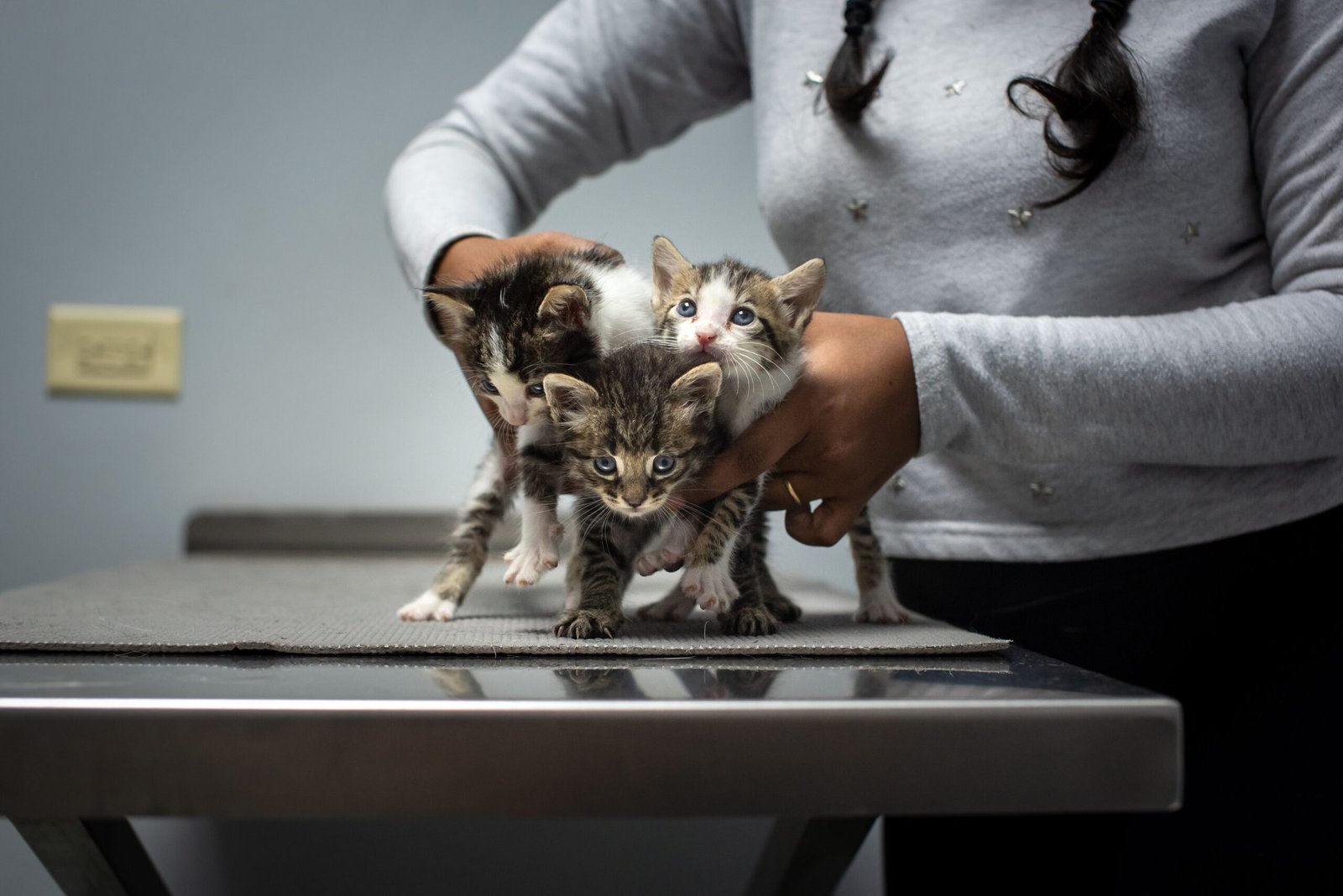
Cats are absolute masters at hiding when something is wrong. In the wild, showing weakness makes an animal a target, and even though our domestic cats have been living comfortably in American living rooms for generations, that deep-seated survival instinct hasn’t gone anywhere. A cat won’t usually sit near you and whimper like a dog might when feeling unwell. Instead, they drop subtle clues—tiny shifts in their daily routine, posture, or appetite—that are easy to miss if you aren’t looking closely.
Catching health issues early often means the difference between a simple prescription from your local vet and an expensive emergency room visit. Here is a clear, step-by-step breakdown of the most common signs that your cat might be sick and needs professional care.
1. Subtle Shifts in Behavior and Energy
The first thing that usually changes when a cat feels sick isn’t physical—it’s behavioral. Because you know your pet’s daily habits better than anyone, you are in the best position to spot these early warning signs.
- Hiding More Than Usual: If your normally friendly cat suddenly spends all day tucked under the bed, inside a dark closet, or behind the dryer, pay attention. While cats love cozy spots, retreating to isolated areas for long stretches often means they are in pain or feeling overwhelmed.
- Extreme Lethargy: It is no secret that cats sleep a lot—often 12 to 16 hours a day. However, there is a distinct difference between a resting cat and a lethargic one. If your cat doesn’t wake up for favorite treats, stops greeting you at the door, or seems unresponsive when you call their name, something is wrong.
- Unusual Aggression or Irritability: A gentle cat that suddenly swats, hisses, or growls when you touch a specific area (like their stomach or lower back) is likely experiencing physical discomfort.
2. Changes in Eating and Drinking Habits
A cat’s appetite is one of the most reliable indicators of its overall health. Any sudden change in how much they eat or drink warrants a closer look.
Loss of Appetite (Anorexia)
If your cat skips a single meal, it might not be an immediate emergency, but skipping meals for more than 24 hours is a serious concern. Cats that go without food for even a few days are at risk of developing Hepatic Lipidosis (fatty liver disease), a potentially life-threatening condition where the liver gets overwhelmed trying to process body fat for energy.
Sudden Increase in Appetite
Oddly enough, an unusually ravenous appetite can also signal a problem. Conditions like hyperthyroidism (common in senior cats) or diabetes cause the body to burn calories inefficiently, making the cat feel perpetually starved despite eating constantly.
Excessive Thirst and Urination
Are you filling the water bowl twice as often as usual? Or noticing giant, heavy clumps in the litter box? Increased thirst (polydipsia) and frequent urination (polyuria) are classic red flags for three common conditions in adult cats:
- Chronic Kidney Disease (CKD)
- Diabetes Mellitus
- Hyperthyroidism
3. Litter Box Red Flags (Crucial Warnings)
Litter box issues are among the most frequent reasons cat owners visit the vet. While people often assume a cat missing the box is just being “bad,” it is almost always a medical issue first.
The Emergency: Urinary Blockage in Male Cats
If you see a male cat repeatedly strain in the litter box, cry out in distress, lick his genital area constantly, or produce only a few drops of urine (or none at all), this is a life-threatening emergency.
Urinary obstructions occur when crystals, mucus, or inflammation block the urethra. Without immediate veterinary intervention to relieve the blockage, toxins build up rapidly in the bloodstream, and the condition can turn fatal within 24 to 48 hours.
Other Litter Box Signs:
- Diarrhea or Loose Stools: Stools that stay watery or soft for more than 48 hours can quickly lead to dehydration.
- Constipation: Straining to pass hard, dry feces, or leaving small pellets outside the box.
- Blood in the Litter Box: Bright red streaks or dark, tar-like stools require an immediate veterinary check.
4. Unexplained Weight Loss or Gain
Weight changes in cats often happen so gradually that owners don’t notice until holding them or taking them in for an annual checkup.
If you can suddenly feel your cat’s spine and ribs prominently when stroking their back, they are losing muscle mass. Unexplained weight loss is frequently tied to gastrointestinal issues, dietary allergies, intestinal parasites, kidney trouble, or cancer. Conversely, rapid weight gain puts excessive pressure on joints and increases the risk of diabetes.
5. Vomiting: What Is Normal and What Isn’t?
Many cat owners accept vomiting as “just a cat thing,” assuming it is always caused by hairballs. While an occasional hairball every few weeks isn’t unusual, frequent vomiting is not normal.
When to See the Vet for Vomiting:
- Vomiting more than once or twice in a week.
- Throwing up clear liquid, bile (yellow fluid), or undigested food repeatedly.
- Projectile vomiting.
- Vomiting accompanied by lethargy, diarrhea, or a refusal to eat.
- Specks of dark material that look like coffee grounds (a sign of digested blood).
If your cat is trying to vomit but nothing comes up, or if their abdomen looks swollen and tight, take them to an emergency vet right away—they may have ingested a foreign object like string, ribbon, or hair ties.
6. Respiratory Issues and Coughing
Healthy cats breathe smoothly and quietly through their nose. Any noticeable shift in how your cat breathes should be evaluated promptly.
- Open-Mouth Breathing or Panting: Unlike dogs, cats do not pant after light exercise unless they are extremely stressed, overheated, or experiencing severe respiratory distress.
- Rapid, Shallow Breathing: If your cat’s chest is rising and falling rapidly while they are resting or sleeping (more than 30–40 breaths per minute), contact your vet.
- Wheezing or Persistent Coughing: A coughing cat often crouches low to the ground with their neck extended forward. People frequently mistake this for trying to pass a hairball, but persistent dry coughing is often a sign of feline asthma or respiratory infections.
7. Grooming Habits and Coat Condition
A healthy cat spends a significant portion of its waking hours keeping its coat clean, sleek, and smooth. Changes in their coat often reflect internal health.
- Unkempt or Matty Fur: If your cat stops grooming, their fur will quickly look greasy, dull, or full of mats. This frequently happens when a cat is in pain (such as arthritis making it hard to bend) or feeling too sick to maintain basic hygiene.
- Over-grooming and Bald Spots: If your cat licks the same area continuously—like their belly, paws, or base of the tail—until the skin is red or bare, it usually points to flea allergies, food sensitivities, or stress-induced anxiety.
8. Eye, Ear, and Mouth Abnormalities
A quick glance at your cat’s face can reveal a lot about how they feel internally.
- Eyes: Cloudy lenses, yellow or green discharge, squinting, or a visible third eyelid (a membrane pulling across the corner of the eye) indicate inflammation, corneal ulcers, or systemic illness.
- Ears: Dark brown, coffee-ground-like debris inside the ears, accompanied by frequent head shaking or scratching, usually points to ear mites or bacterial infections.
- Mouth: Foul breath, red or bleeding gums, excessive drooling, or dropping food out of the mouth while eating are signs of severe dental disease, tooth resorption, or mouth ulcers.
Quick Reference: Emergency vs. Non-Emergency
| Triage Level | Symptoms | Action Required |
| Immediate Emergency | Straining to urinate with no output, open-mouth breathing/panting, seizures, severe trauma, sudden paralysis in hind legs, collapse. | Go to the nearest emergency vet hospital immediately. |
| Urgent (Same Day / 24 Hours) | Refusing food for over 24 hours, persistent vomiting/diarrhea, noticeable lethargy, visible third eyelid, crying in pain. | Call your regular vet clinic for a same-day appointment. |
| Non-Emergency (Schedule Visit) | Mild changes in coat texture, slow weight loss over months, occasional dry cough, minor changes in sleep patterns. | Schedule a routine checkup within the week. |
Trust Your Instincts
As a pet parent, you know your cat’s everyday personality better than anyone else. If your gut tells you that something is slightly off—even if you can’t pinpoint a single dramatic symptom—it is always safer to call your veterinarian.
Describing what you are seeing at home gives your vet a valuable head start. Regular wellness checks, combined with paying close attention to small daily changes, ensure your cat stays happy, healthy, and comfortable for years to come.