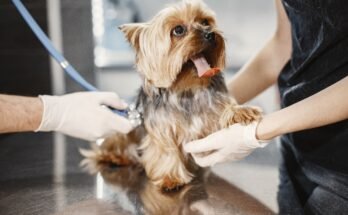

Dogs are naturally expressive creatures. They greet us at the door with wagging tails, nudge our hands when they want attention, and make their feelings pretty clear most of the time. However, when it comes to feeling sick or being in pain, dogs often try to act like everything is fine. It comes from an instinct inherited from their wild ancestors, where showing any weakness could make an animal vulnerable.
Because our pets cannot tell us in plain English when something hurts, it falls on us as dog parents to pick up on the subtle changes in their behavior, routine, and appearance. Catching an illness early usually means a faster recovery and lower medical costs at the vet clinic.
Subtle Changes in Behavior and Energy
The earliest signs of illness in a dog are often emotional or behavioral rather than physical. Since you know your dog’s typical personality better than anyone else, trust your instincts if something feels off.
- Sudden Lethargy: If your normally active dog suddenly loses interest in going for walks, playing fetch, or greeting you when you come home, pay close attention. A dog that spends all day lying down and seems unusually reluctant to move is often dealing with pain, fever, or an internal health issue.
- Hiding or Seeking Constant Comfort: Some dogs retreat to dark closets or under beds when they feel unwell, while others become unusually clingy and follow you from room to room seeking reassurance.
- Uncharacteristic Irritability: A friendly, gentle dog that growls, snaps, or pulls away when touched in a specific area is usually trying to protect a part of their body that is experiencing sharp pain.
Appetite and Hydration Red Flags
A healthy dog rarely turns down a meal or a favorite treat without a good reason. Changes in how much your dog eats or drinks are among the most reliable indicators of health trouble.
Refusing Food
Skipping a single meal on a hot summer day isn’t always a emergency, but if your dog refuses food for more than 24 hours, it warrants a call to your veterinarian. Complete loss of appetite can signal anything from an upset stomach or dental pain to kidney disease, infections, or intestinal blockages.
Increased Thirst and Frequent Urination
If you find yourself refilling the water bowl multiple times a day or noticing that your dog suddenly needs to go outside in the middle of the night, take note. Excessive drinking paired with frequent urination is a classic sign of diabetes, Cushing’s disease, or kidney conditions in dogs.
Digestive Distress and Stomach Issues
Stomach trouble is one of the most frequent reasons dog owners head to the emergency clinic.
- Vomiting: An occasional vomit from eating grass or gobbling down food too quickly happens, but persistent vomiting is not normal. If your dog throws up multiple times in a day, cannot keep water down, or vomits material that looks like coffee grounds, seek immediate veterinary care.
- Diarrhea and Straining: Soft stools that persist for more than a day or two can rapidly lead to severe dehydration, especially in young puppies or senior dogs. Bright red blood in the stool or dark, tar-like feces requires prompt medical evaluation.
- The Danger of Bloat: If your dog’s abdomen looks visibly swollen or tight, and they are unsuccessfully trying to vomit, this is a life-threatening medical emergency known as bloat. Get them to an emergency vet clinic immediately.
Breathing Difficulties and Coughing
Healthy dogs breathe smoothly without noticeable strain when resting. Any dramatic change in how your dog breathes should be treated seriously.
- Heavy Panting Without Cause: Panting after a long run in warm weather is normal, but heavy panting while resting in an air-conditioned room is often a response to severe pain, anxiety, or respiratory trouble.
- Persistent Coughing or Gagging: A dry, hacking cough that sounds like something is stuck in your dog’s throat could point to kennel cough, heart disease, or tracheal collapse, especially in smaller breeds.
Mobility Issues and Physical Discomfort
As dogs age, joint stiffness can creep up, but sudden mobility changes should never be ignored.
Limping, stiffness when pushing up from a lying position, or reluctance to climb stairs or jump into the car often point to injuries, arthritis, or neurological problems. If a dog suddenly loses function in their back legs or wobbles while walking, get them to a vet right away, as spinal injuries require swift treatment.
Changes in Eyes, Ears, and Skin
A quick surface check of your dog’s face, ears, and coat can tell you a lot about their internal condition.
- Eyes: Cloudy lenses, redness, squinting, or yellow-green discharge often indicate eye infections or corneal scratches.
- Ears: Head shaking, frequent scratching at the ears, or a strong odor coming from the ear canal usually points to ear mite infestations or yeast infections.
- Skin and Coat: Excessive scratching, biting at paws, red patches, or dull fur with bald spots are common indicators of flea allergies, food sensitivities, or skin infections.
Trusting Your Instincts as a Pet Parent
Nobody knows your dog’s daily habits, quirks, and normal baseline better than you do. If you notice a combination of small changes—like a slight drop in energy paired with a skipped meal—it is always better to err on the side of caution and give your local veterinary clinic a quick call. Describing what you see at home helps your vet catch potential issues early, keeping your companion healthy, comfortable, and happy for years to come.