
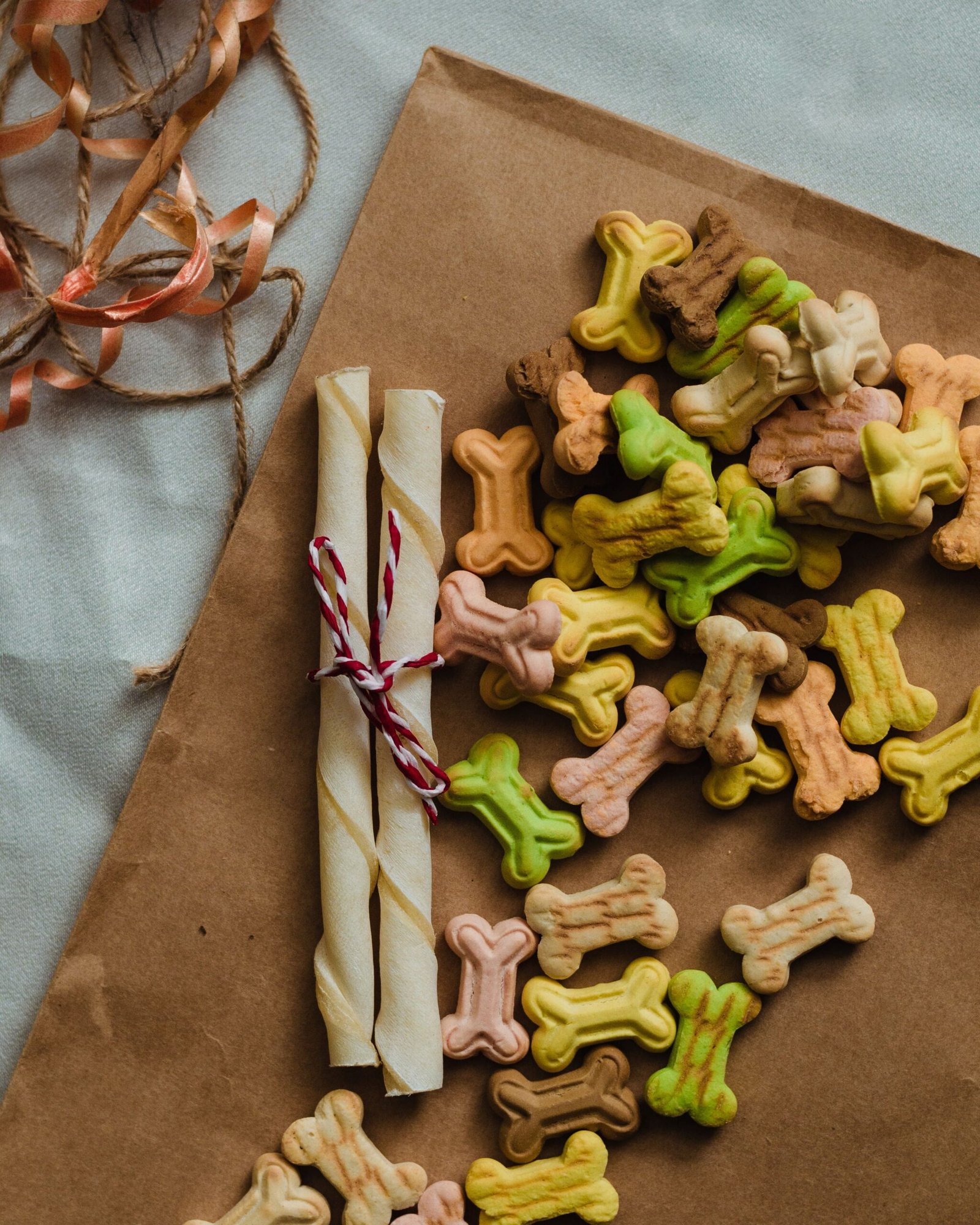
Sharing a bit of your food with your dog feels like the most natural thing in the world. Those big, soulful eyes looking up at you from under the dinner table can melt anyone’s heart, and tossing them a small bite feels like a quick way to show love. While giving them a piece of plain cooked chicken, a slice of apple, or a carrot stick is totally fine, plenty of everyday human foods are shockingly dangerous for dogs.
Our bodies process food very differently than a dog’s body does. Things that are completely healthy, delicious, or harmless for us can cause serious health trouble for a canine—ranging from a bad stomach bug to sudden organ failure.
Knowing what needs to stay out of reach is one of the best ways to protect your furry best friend. Here is a close look at seven of the most common kitchen foods that are dangerous to dogs, how they affect them, and what you should do if an accident happens.
1. Chocolate: The Classic Kitchen Hazard
Almost everyone knows chocolate is bad for dogs, yet chocolate poisoning remains one of the main reasons pet owners rush to emergency clinics every year.
Why It Causes Problems
Chocolate contains natural plant compounds called theobromine along with caffeine. Human bodies clear theobromine out quickly without any issue, but dogs process it very slowly. This allows toxic levels to build up in their system surprisingly fast.
Understanding the Risk Level
Not all chocolate carries the same amount of danger. The threat depends heavily on the type of chocolate, how much was eaten, and the size of your dog:
- Dark Chocolate and Cocoa Powder: By far the most dangerous because they contain the highest concentration of theobromine.
- Baking Chocolate: Extremely risky, even in small bites.
- Milk Chocolate: Less concentrated, but still very hazardous, especially for small dogs.
- White Chocolate: Has very little theobromine, but its high fat content can still trigger severe stomach inflammation (pancreatitis).
What to Look Out For
If a dog eats chocolate, you might notice vomiting, heavy diarrhea, extreme thirst, panting, restlessness, a racing heart, muscle tremors, or even seizures in severe cases.
2. Xylitol (Birch Sugar): The Fast-Acting Silent Danger
While chocolate gets most of the attention, Xylitol—sometimes listed as “birch sugar”—is actually much more dangerous and fast-acting.
Why It Is Toxic
Xylitol is a popular zero-calorie sweetener found in sugar-free gum, mints, specialty peanut butters, dietary chewables, toothpaste, and baked goods. When a human eats Xylitol, nothing major happens to their blood sugar. But when a dog eats it, their body mistakes it for real sugar and releases a massive flood of insulin.
What Happens to the Body
This sudden insulin spike causes their blood sugar level to crash dangerously low within 10 to 60 minutes. If it isn’t treated right away, Xylitol toxicity can lead to acute liver damage within just a couple of days.
What to Look Out For
Early signs include sudden vomiting, weakness, stumbling around like they are drunk, collapse, and seizures. Always double-check the ingredient label on peanut butter before spreading it on a chew toy or using it for treats.
3. Grapes and Raisins: An Unpredictable Threat to Kidneys
Grapes, raisins, and sultanas seem like fresh, healthy snacks, but they are incredibly unsafe for dogs.
Why It Is Toxic
For a long time, vets weren’t entirely sure why grapes caused such severe reactions. Recent studies point toward tartaric acid in the grapes as the main culprit.
The Real Danger
What makes grapes and raisins so scary is how unpredictable they are. Toxic reactions don’t always depend on the dog’s size or the amount eaten. Some dogs have eaten a handful with minimal reaction, while a small dog might suffer sudden kidney failure after eating just two or three raisins. Because nobody knows what a “safe” amount is, any exposure needs to be treated as an emergency.
What to Look Out For
Vomiting usually starts within a few hours, followed by low energy, loss of appetite, stomach pain, and diarrhea. Within a day or two, the kidneys can slow down or stop producing urine altogether.
4. Onions, Garlic, Chives, and Leeks: Silent Red Blood Cell Damage
Onions, garlic, chives, and leeks belong to the Allium plant family. They add incredible flavor to human cooking, but they are bad news for dogs in every form—whether fresh, cooked, dried, or powdered.
Why It Is Toxic
These plants contain sulfur compounds that damage a dog’s red blood cells. Over time, this damage causes the cells to rupture, leading to a serious condition called anemia.
How Dogs Usually Get Into It
Garlic is about five times more potent than onions. While dogs rarely eat a raw onion, they frequently get exposed through table scraps, gravy, pasta sauces, soups, or seasoned meat cooked with onion or garlic powder.
What to Look Out For
Because red blood cells break down slowly over time, you might not see symptoms for three to five days after they eat it. Watch for pale gums, sudden tiredness, weakness, unusually dark urine, and a fast heart rate.
5. Avocados: Pits, Fat, and Stomach Upset
Avocados are a staple in many kitchens, but they come with a few distinct hazards for pets.
Why It Is Toxic
Avocado leaves, fruit, skin, and bark contain a natural compound called persin. While persin is mostly dangerous to birds and larger farm animals, it can cause upset stomach, vomiting, and diarrhea in dogs if consumed in noticeable amounts.
The Danger of the Pit
Beyond persin, the big avocado pit is a massive choking hazard and can easily get stuck in a dog’s throat or intestines, requiring emergency surgery. On top of that, the heavy fat content in avocado flesh can trigger painful stomach inflammation.
6. Alcohol and Raw Yeast Dough: Dangerous Intoxication
It goes without saying that dogs shouldn’t drink alcohol, but raw bread dough sitting on the counter poses the exact same danger.
Why It Is Toxic
A dog’s liver simply cannot handle ethanol (alcohol). If a dog eats raw dough made with yeast, two dangerous things happen inside their warm stomach at the same time:
- The Dough Expands: The warm environment causes the dough to swell up inside the stomach, causing intense pain and potential bloating.
- Alcohol Poisoning: As the yeast ferments the dough, it produces alcohol, which gets absorbed directly into the dog’s bloodstream.
What to Look Out For
Look for a swollen stomach, drooling, disorientation, stumbling, vomiting, low body temperature, and slow breathing.
7. Macadamia Nuts: Severe Muscle and Nerve Reactions
Macadamia nuts show up in gourmet cookies, trail mixes, and desserts, and they are among the most toxic nuts a dog can eat.
Why It Is Toxic
Vets still don’t know the exact chemical reason behind macadamia nut toxicity, but its negative effects on a dog’s muscles and nervous system are well documented.
What to Look Out For
Even a small handful can make a dog sick within 12 hours. Symptoms include weak back legs, trouble standing up, shaking, joint stiffness, vomiting, and fever. Most dogs recover well with supportive care from a vet, but it is an uncomfortable and scary experience for the animal.
What to Do If Your Dog Eats Something Dangerous
If you suspect or know your dog ate something toxic, don’t wait around for symptoms to show up. Acting quickly makes a huge difference.
- Keep Cool and Secure the Food: Move your dog away from the area so they can’t eat any more of the item.
- Collect the Details: Figure out what they ate, roughly how much is missing, and about how long ago it happened. Keep the packaging or wrapper if you have it.
- Call for Help Right Away: Contact your local vet clinic or an emergency pet hospital immediately. You can also call a dedicated pet poison helpline for instant advice.
- Don’t Force Vomiting on Your Own: Never try to make your dog throw up using home remedies like salt or hydrogen peroxide unless a vet specifically tells you to do so on the phone. Doing it wrong can cause severe throat burns or lung complications.
Final Thoughts
Our dogs rely on us completely to keep their environment safe. Keeping high-risk foods stored safely away in cabinets, reminding family members not to slip table scraps, and staying aware of tricky ingredients goes a long way. A little prevention keeps your kitchen safe and keeps your companion healthy by your side for years to come.