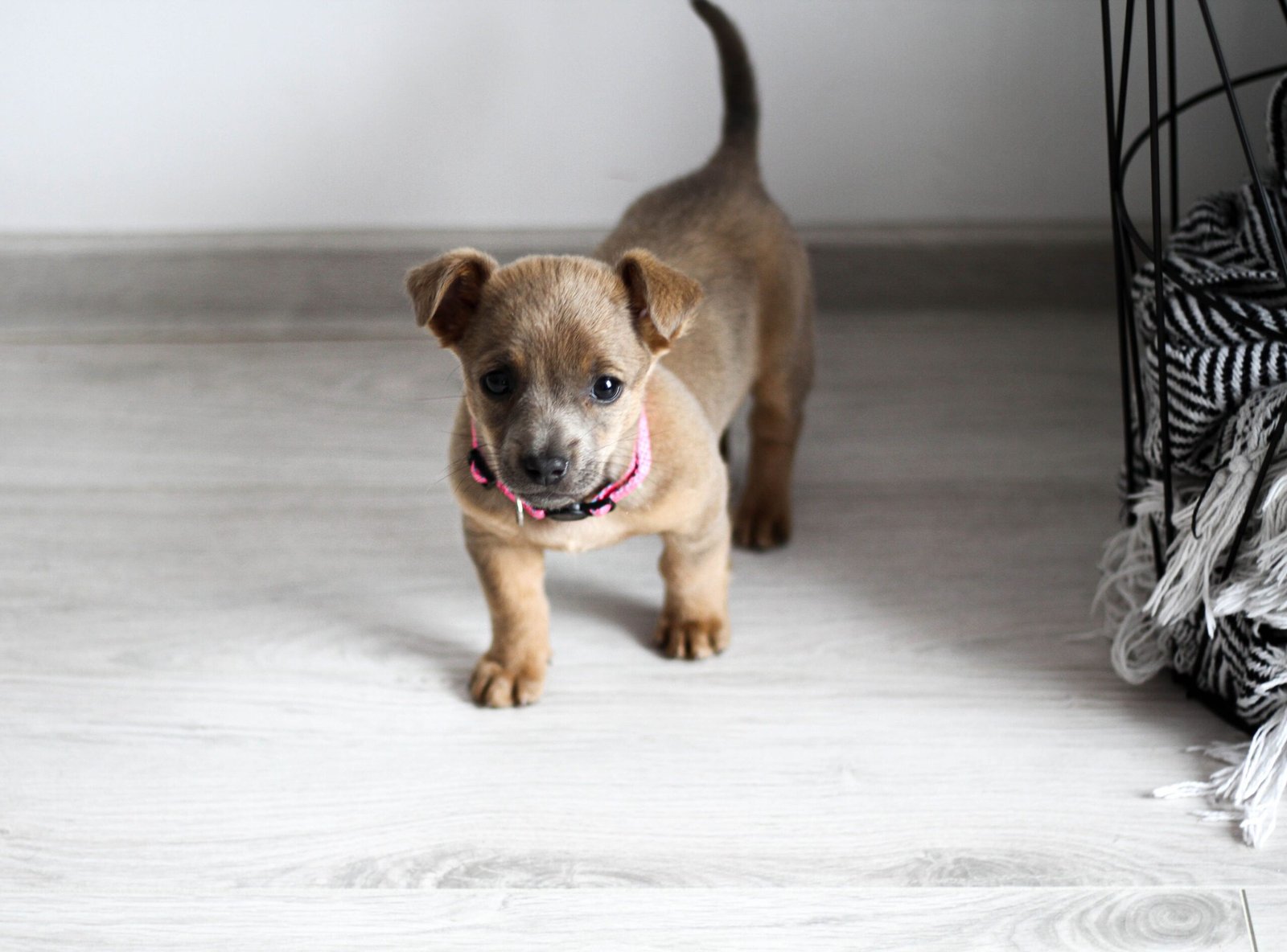
Bringing a new puppy home is easily one of the most exciting moments for any family. Those floppy ears, playful pounces, and soft paws are impossible not to fall in love with immediately. However, once the initial excitement wears off, reality sets in: caring for a young pup takes real effort, patience, and a solid plan.
The first seven days in a new home are a massive transition period for a puppy. They have just been separated from their mother and littermates, placed in a completely unfamiliar environment, and introduced to new sounds, smells, and people. Having a clear plan makes all the difference in keeping your puppy comfortable and keeping your stress levels under control.
Pre-Arrival Preparation: Puppy-Proofing Your Home
Before you even bring your puppy through the front door, spend some time making your home safe for an overly curious little animal.
- Clear the Floor: Pick up loose shoes, electrical cords, small kids’ toys, and anything small enough to swallow.
- Secure Household Chemicals: Move cleaning supplies, trash cans, and garden fertilizers out of reach or into locked cabinets.
- Identify Toxic Plants: Common houseplants like lilies, sago palms, and philodendrons can be toxic to dogs if chewed on. Move them to high shelves or out of the house entirely.
- Set Up a Safe Zone: Designate a specific area—like a playpen or a corner of the kitchen—where the puppy can stay contained when you can’t offer 100% supervision.
Day 1: Arrival and Settling In
Your puppy’s first day is all about creating a sense of safety and calm.
Keep the Environment Quiet
As tempting as it is to invite neighbors, friends, and family over to meet the new pup, hold off for a few days. Too many new voices, grabbing hands, and loud noises can easily overwhelm a young animal. Keep the household quiet and calm.
The Immediate Potty Trip
The moment you arrive home, take your puppy directly to the designated potty spot in your yard before bringing them inside. If they go to the bathroom, praise them enthusiastically and offer a small treat. This sets the foundation for potty training right from minute one.
Introduce the Crate and Bedding
Set up a comfortable dog bed inside a wire or plastic crate in a quiet room or near your bedroom. Leave the door open, toss a few treats inside, and let the puppy explore it on their own terms without forcing them in.
Day 2 to 3: Establishing a Routine
Puppies thrive on predictability. Establishing a consistent daily schedule early on helps reduce anxiety and speeds up potty training significantly.
1. Feeding Routine
Feed your puppy high-quality puppy food specifically formulated for their breed size (large breed vs. small breed). Young puppies, usually between eight to twelve weeks old, generally need three to four small meals a day because their tiny stomachs cannot handle large quantities at once.
Stick to the exact food brand the breeder or shelter was using initially. Switching diets suddenly causes severe stomach upset and diarrhea. Also, keep fresh water available throughout the day, but lift the water bowl about an hour or two before bedtime to limit nighttime potty trips.
2. Potty Training Schedule
A general rule of thumb for puppy bladder control is one hour of holding capacity for every month of age. A two-month-old puppy can usually hold their bladder for about two hours at most.
Take your puppy outside immediately as soon as they wake up in the morning or after a nap, within 10 to 15 minutes after eating or drinking, after intense play sessions, and right before bedtime.
3. Handling the First Night Cries
It is entirely normal for a puppy to whine or cry during their first few nights in a new crate. They miss the warmth of their littermates. Place the crate close to your bed so they can hear your breathing and smell your presence. A warm water bottle wrapped in a towel or a heartbeat plush toy can work wonders in soothing a restless pup.
Day 4 to 5: Initial Training and Handling
Once your puppy feels safe in their new environment, you can begin introducing gentle training and habituation routines.
Basic Manners (No Rough Play)
When puppies play with each other, they use their teeth. When your puppy nips your hands or feet, instantly stop playing, make a soft “ouch” sound, and redirect their mouth to an appropriate chew toy. Consistency here prevents biting habits from forming as they grow adult teeth.
Getting Used to Handling
Spend a few minutes each day gently touching your puppy’s paws, lifting their lips to look at their teeth, touching their tail, and running a soft brush over their back. Making this a positive experience filled with treats will make future vet visits and grooming sessions infinitely easier.
Introduce the Collar and Leash
Let your puppy wear a lightweight collar with an ID tag for short periods around the house. Attach a leash and let them drag it behind them under supervision so they get used to the feel without feeling restricted.
Day 6 to 7: Vet Visit and Early Socialization
By the end of the first week, it is time to take your new companion for a professional checkup.
The First Vet Visit
Schedule an appointment with your veterinarian during the first week. Bring along any medical records, adoption paperwork, or vaccination history provided by the shelter or breeder. Your vet will perform a full physical examination, set up a vaccination schedule, check for common parasites, and discuss flea, tick, and heartworm prevention products appropriate for your pup’s age and weight.
Safe Socialization Guidelines
Socialization is critical between 8 and 16 weeks of age, but you must balance socialization with disease protection. Until your puppy receives their full set of vaccinations, avoid public dog parks, pet stores, or walking on surfaces where unfamiliar dogs frequent. Instead, socialize them safely by introducing them to new sights, household sounds like the vacuum cleaner or TV, different walking surfaces like tile and grass, and healthy, fully-vaccinated adult dogs owned by family or friends.
Daily Routine Recap for the First Week
To keep things running smoothly each day, focus on a simple rhythm. Feed three to four times a day on a strict timetable, and take your pup out to go potty every one to two hours, especially after sleeping, eating, or playing.
Keep play and exercise sessions in short 10-to-15-minute bursts so your puppy doesn’t get overly exhausted. Practice gentle body handling once a day using treats as rewards, and introduce crate time in brief, positive intervals throughout the day so they build confidence on their own.
Final Thoughts
The first week with a new puppy is equal parts magical and exhausting. There will be accidental messes on the floor, interrupted sleep, and moments where you feel tested. Remember that patience, consistency, and positive reinforcement are your greatest tools. By sticking to a structured routine from day one, you are laying the groundwork for a well-adjusted, healthy, and happy dog for years to come.